Unattended Death Cleanup
Decomposition cleanup and odor control are needed after a death goes unnoticed for several days.
See unattended death cleanupGet decomposition fluids, affected flooring, furnishings and odor treated with care in Linwood. Source removal comes first because air treatment alone cannot correct absorbed contamination.
Decomposition cleanup is a careful process after a death that removes fluids, porous materials and residue. It continues with disinfection and cleaning, followed by treatment for any odor left behind.
Cleanup may become necessary if a person is not discovered soon and fluids reach furnishings, the floor or the structure underneath. Before any cleaning, police, the medical examiner or coroner and emergency personnel complete their work. The property must then be released to you or its responsible party.
In practice, decomposition cleanup involves work beyond a stain on the surface. A fluid path can extend beneath baseboards, into subfloor, along seams of sheet flooring and through carpet or its pad. Careful assessment maps that reach. Cleanable materials are kept whenever possible. Items that cannot be fully treated must be taken out, securely sealed and managed according to the waste rules that apply.
When they are safe to sort, loved ones' photographs, documents and mementos are placed aside for your decisions.
Cleanup crews explain which materials can stay, which need removal and why each step belongs in the scope before work begins.
You can reach someone during the day or at night, and the crew uses unmarked vehicles to respect your privacy at a difficult time.
Restoration services and insurance companies can use photos, waste records and an itemized scope to see what was left behind as you move forward.
You may need decomposition cleaning services after a death if odor or fluids remain beyond the reach of ordinary household cleaning. While the details vary, these needs are common:
Fluids may have reached a shared wall, floor assembly or unit below, so the affected boundary needs careful inspection.
Surface cleaning may not be enough for unfinished wood, upholstered material or cushions that absorbed fluid deeply.
Odor remains after the room is emptied because affected material is still present below a floor, behind trim or in another hidden area.
A mattress, bed frame, carpet or hard floor has visible contamination, odor or hidden impact beneath it.
Do not disturb the affected room until you have protected yourself and adjacent areas and kept useful records. For a clearer assessment, begin with these steps:
Call (888) 440-9227A dedicated range for decomposition cleanup is not included in the available cost source. Unattended death cleanup is the closest published guide and often covers decomposition fluids plus odor. With early discovery, the listed amount runs from $1,500 to $5,000 in the source. When found by about 72 hours, the range changes to $3,000 to $8,000 under that guide. Following one to two weeks, it lists $8,000 to $18,000 for the work. Following three weeks or more, it instead lists $15,000 to $35,000 as the range. Actual pricing depends on the scope found during assessment.
The figures shown are national ranges from published cost guides and are not based on an on-site visit. The price for your property is set after the on-site assessment, and you hear it before work starts.
Ask about cost: (888) 440-9227A renters, homeowners or commercial property policy might pay for decomposition cleanup when it treats the death as a covered loss. Your insurance company bases its decision on the circumstances, policy language and deductible.
Use the insurer's claims number when you learn about the loss. Find out if cleanup, personal property, affected building material and later repairs have coverage under distinct policy provisions.
Homeowners or renters insurance, the estate or the property owner usually pays for this kind of cleanup. The Ohio crime victim compensation program helps only when a crime caused the loss.
Property owners commonly coordinate cleanup for rentals, but the circumstances and applicable policies determine which party or insurer ultimately pays.
Ask what the adjuster needs before damaged materials are removed when waiting is safe. A detailed scope, pictures and disposal paperwork can give the insurer useful claim evidence.
A controlled sequence guides the entire process, with hidden effects identified before cleaning or odor treatment starts. At every step, cleanup technicians consider the property, your belongings and privacy.
Inspection includes the affected room, nearby locations and spaces directly below. Flooring type, wall edges, furniture and air movement help define the work area.
Barriers divide the cleanup zone from unaffected spaces. Technicians wear personal protective equipment, while site conditions determine whether airflow controls are also needed.
Workers collect residue they can see, then carefully uncover absorbent materials to verify how deep and where contamination traveled.
Carpet, pad, upholstery, unfinished wood, drywall or subfloor sections are removed when contamination cannot be reached and treated in place.
Remaining hard surfaces are cleaned before an EPA-registered disinfectant is applied for the full contact time stated on its label.
After source material is gone, air and remaining surfaces are treated. Each room gets appropriate equipment operated as its instructions require.
Affected waste is secured in appropriate closed containers, then made ready for compliant transport and disposal based on location.
For the property owner, insurer, restoration contractor or you, the final scope may be compiled with project photos and disposal records.
Phone any hour. You speak with a decomposition cleanup specialist who outlines the process and schedules a start time with you.
You should stay out of an area affected by decomposition fluids instead of attempting cleanup. Serious health risks can exist out of sight, and impacted building material may need to be removed.
Movement of fluid may extend into furnishings, carpet, flooring joints and spaces at baseboards. Cleaning only the visible surface can leave affected material underneath.
The space may belong to someone you care about. Avoiding the physical cleanup may protect you from an experience that can be difficult to carry.
Never place contaminated materials with ordinary household garbage. Based on contents and governing requirements, they might need hazardous materials packaging plus controlled management.
Can you clean it yourself? Cleaning after decomposition differs greatly from addressing an ordinary minor spill at home. If a death left fluid, residue or persistent odor, keep the area closed and seek a professional assessment. Do not pull up carpet, move an affected mattress or test the depth with bare hands.
Deep absorption usually means a material must be taken out. If the affected surfaces are accessible enough for cleaning and disinfection, the material can stay.
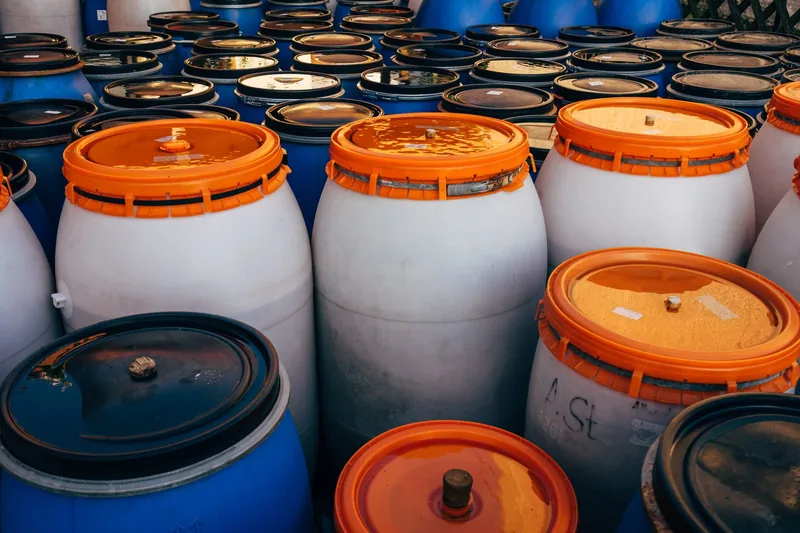
The OSHA Bloodborne Pathogens Standard, 29 CFR 1910.1030, sets worker requirements for exposure controls, protective equipment, training and related practices.
The target organism and surface require a suitable EPA-registered disinfectant that stays wet for the label's entire contact period.
Ohio treats soaked materials from a biohazard scene as infectious waste. Ohio EPA's Division of Materials and Waste Management rules control how it is packaged, transported and treated, so it cannot go in household trash.
Ohio investigates deaths through county coroners, who are physicians, and a small number of county medical examiners, with no single statewide office. Cleanup starts after police or the coroner release the scene.
Decomposition cleanup sometimes takes one day for an accessible, limited space, but several days may be needed when furniture, flooring, walls or rooms below are affected by fluids. The timeline cannot be accurate before assessment defines the entire affected boundary.
The full decomposition cleanup guide covers what is cleaned or removed, odor and air quality work, and the rules that apply in Ohio and Hamilton County.
Read the full decomposition cleanup guideLocal population patterns, housing and site access may affect how containment and cleanup are planned.
St Elizabeth Ft Thomas is about 3.5 miles from Linwood, which is useful to know when an exposure or injury needs medical attention.
Mount Lookout, Observatory Historic District, and Columbia-Tusculum are nearby, which helps define practical routes for crews, equipment, and sealed waste containers.
The neighborhood setting makes privacy especially important when equipment must pass through sidewalks, lobbies, or other visible common areas.
You can ask about cleanup in nearby communities and ZIP codes during the call.
Decomposition cleanup and odor control are needed after a death goes unnoticed for several days.
See unattended death cleanup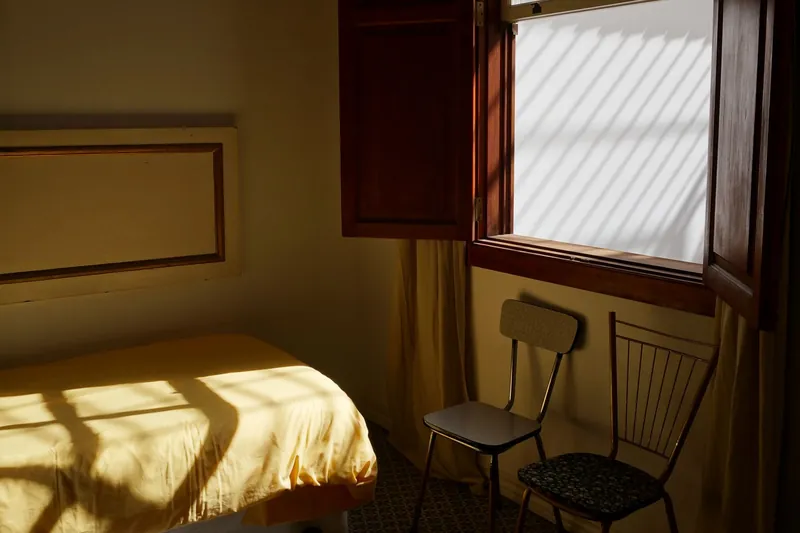
After a person dies at home, cleanup addresses fluids, odors and belongings that were affected.
See death cleanup
Cleanup after a death that was found quickly, with care for the family home.
See attended death cleanup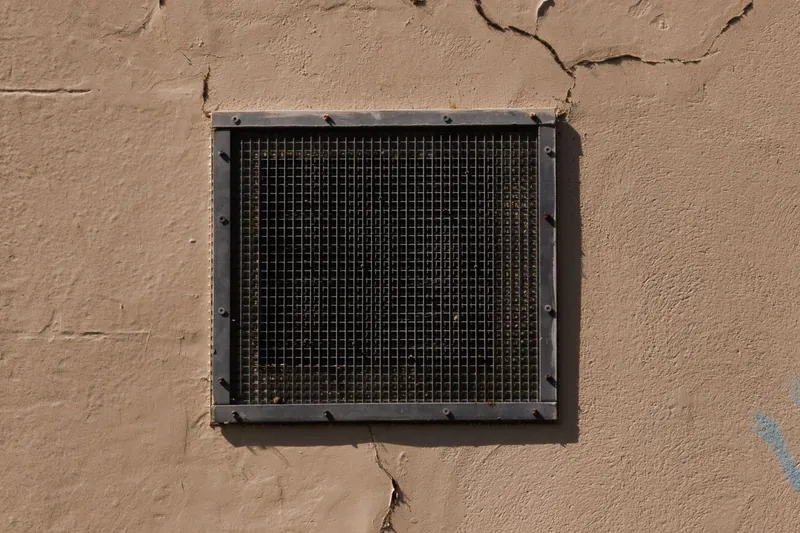
At the source, death odor removal uses air scrubbers plus hydroxyl and ozone treatment.
See death odor removal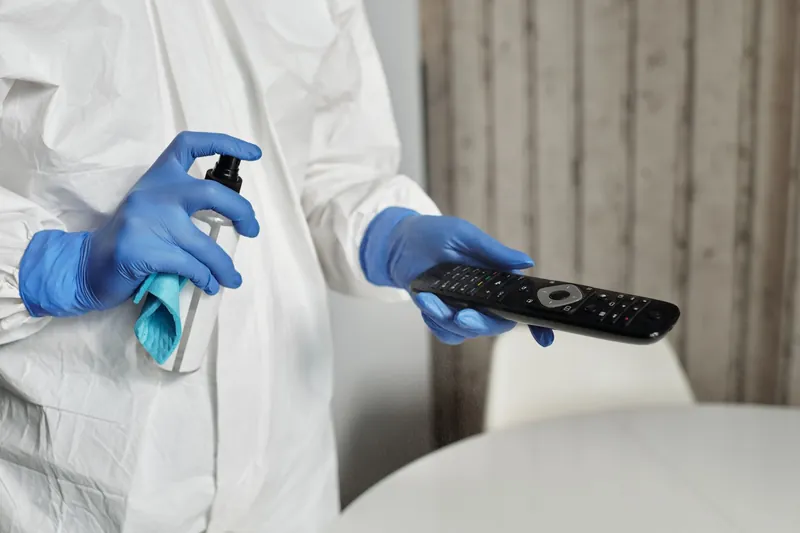
Contamination is cleared through biological remediation, returning the space to safe use.
See biohazard remediation
Investigation residue, tissue and fingerprint powder are addressed along with forensic cleaning of blood.
See forensic cleaning
Walls, carpets, furnishings and hard floors receive blood cleanup, with safe disposal afterward.
See blood cleanup
Following a death, estate cleanout includes sorting possessions and removing them safely.
See estate cleanout after a deathNo dedicated decomposition price range appears in the available source. Published unattended death pricing starts at $1,500 to $5,000 for early discovery, then rises substantially for extended periods. How deeply fluids traveled, what requires removal, the rooms involved, odor needs and waste disposal all shape the final cost.
The work removes affected porous items along with body fluid and residue left following a death. Once the odor source is removed, accessible surfaces that remain receive cleaning and disinfection before odor treatment. How far fluids spread determines whether cleanup involves furnishings, nearby belongings, carpet, padding, subfloor and drywall.
A limited accessible area may take about one day after assessment. A room with carpet, furniture or subfloor removal can take one to three working days, while structural impact may take longer. The return to normal use also depends on drying time, odor work, insurance decisions and restoration afterward.
Materials are removed when fluids soaked too deeply for complete cleaning and disinfection. Common examples include carpet, pad, mattresses, upholstery, unfinished wood, drywall, trim and sections of subfloor. Glass, metal, sealed tile and similar non-porous finishes might be kept if they are reachable and their condition supports cleaning.
Yes in some cases, provided the source is fully treatable and liquids never left an accessible, non-absorbent surface. Absorbent areas include carpeting, its pad, unsealed wood and some joints in flooring. Air treatment may depend on removing the affected portion beneath the finish first.
A homeowners policy may cover cleanup and damaged materials when the death falls within a covered loss. Your coverage is not automatic. Call the insurer, describe the event and ask about biohazard remediation, personal property, structural repairs and the deductible. Save your claim number with pictures, a detailed scope and waste documentation.
Discreet, respectful decomposition cleanup, 24 hours a day, with crews in unmarked vehicles.